How Crimson Moon Runs Work — Church Hub and War Table Explained
Crimson Moon is structured around replayable runs: fight through Gildenarch's wards, then return to the Church hub to upgrade and plan at the War Table.
What is a run in Crimson Moon?
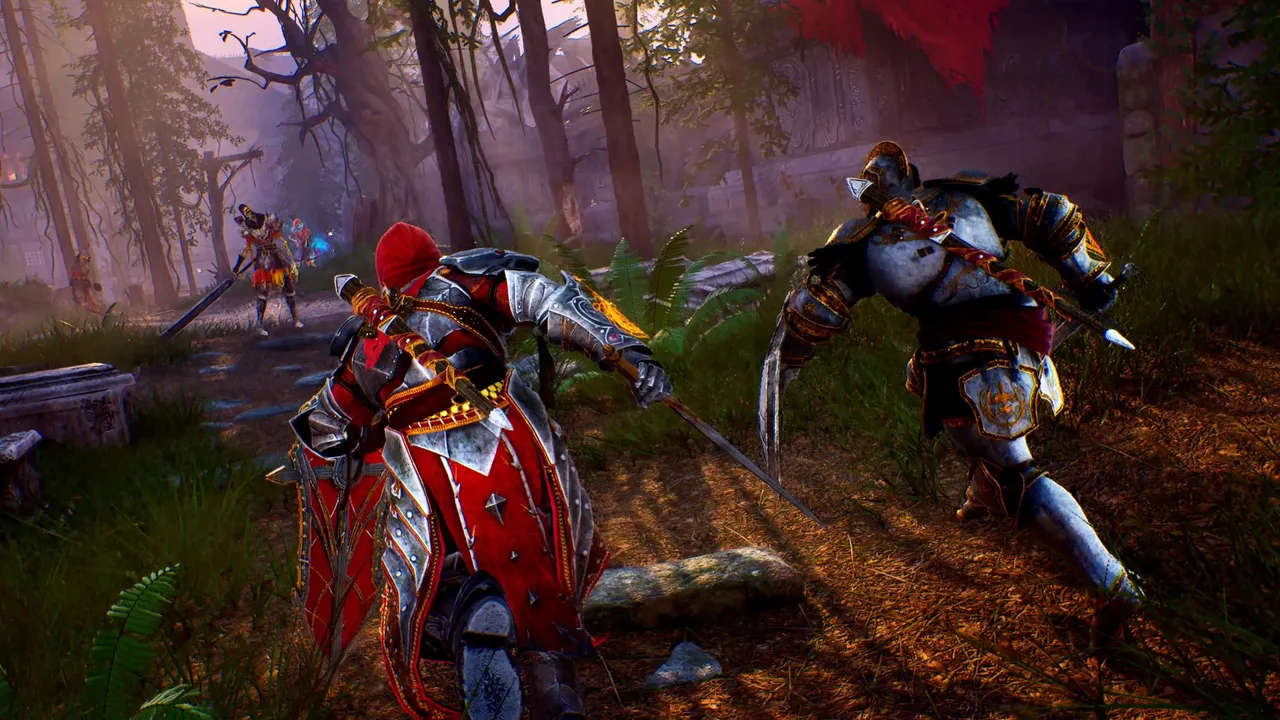
A run — officially a hunt — is one descent into the fallen city of Gildenarch. Each hunt targets one of Gildenarch’s Wards, and every Ward is made up of multiple replayable missions featuring enemies, elite encounters, mini-bosses, secrets, valuable loot, and a powerful boss waiting at the end. You fight demons, undead, vampires and Hellgrowth abominations, collect gear, and — if you survive — face that closing boss (full Ward structure). The developers describe the structure as “savage, replayable runs” with an ever-evolving horde, so no two hunts are identical.
What happens between runs — the Church hub?
Your home base is Sanctus Clypeus — the Nephilim sanctuary and central hub (see the Sanctus Clypeus guide for its lore). Between hunts it is where you:
- talk to NPCs
- spend resources on upgrades
- plan your next missions at the War Table
This loop — hunt, return, upgrade, plan — is the backbone of progression. Officially it is called “Seek Sanctuary Between Runs”, and the game is designed so the world “remembers, reshapes, and pushes back, without demanding punishing repetition”.
What is the War Table?
The War Table is the planning station inside the Church hub where you set up your next missions. Every successful run presents new missions, modifiers and skill achievements, and the War Table is where you choose what to take on. Higher-risk choices bring higher rewards — the official feature list calls these “High Risk, High Reward Missions”.
How does difficulty scaling work?
Crimson Moon uses dynamic difficulty scaling: every mission can be tuned to match your skill, and choosing higher difficulties yields greater rewards. Because the game is run-based, experimenting with difficulty has low friction — a failed run feeds the loop rather than ending a campaign.
How do gear and upgrades carry over?
There are no traditional classes. Progression is built on leveling up and gathering equipment: gear found during hunts persists into your build, and upgrades are purchased at Sanctus Clypeus between runs. See the builds guide for the nine gear slots, Boons and Weapon Arts, or the weapons and armor overview.
How long is a run?
Where do runs end?
Runs culminate in boss encounters — the store page promises “brutal boss encounters with the fabled Dead Gods”. Each successful boss fight is a milestone in reclaiming Gildenarch — start with the Dead Gods overview, and pair your runs with co-op or a beginner-friendly build as needed.
Gallery
Related Articles
bosses
E'frae Boss Guide — Crimson Moon's Dry Rot King World Boss
E'frae, the Dry Rot King, is Mission IV's other Dead God World Boss, fought in the Defiled Cemetery. Identity, fight footage, drops and preparation.
bosses
Mahkteah Boss Guide — Crimson Moon's Lord of Perdition World Boss
Mahkteah, the Lord of Perdition, is one of Mission IV's two Dead God World Bosses, fought in the Ancient Chamber. Identity, structure, drops and prep.
guides
Crimson Moon Boons Guide — Stacking Rules, Sources and Best Picks
Boons reshape every Crimson Moon hunt. Here is how the four Boon sources work, the full stacking rules, and the early favourite picks from guides.
Was this helpful?
Thanks for the feedback!